
And so it begins
Why I'm creating this project

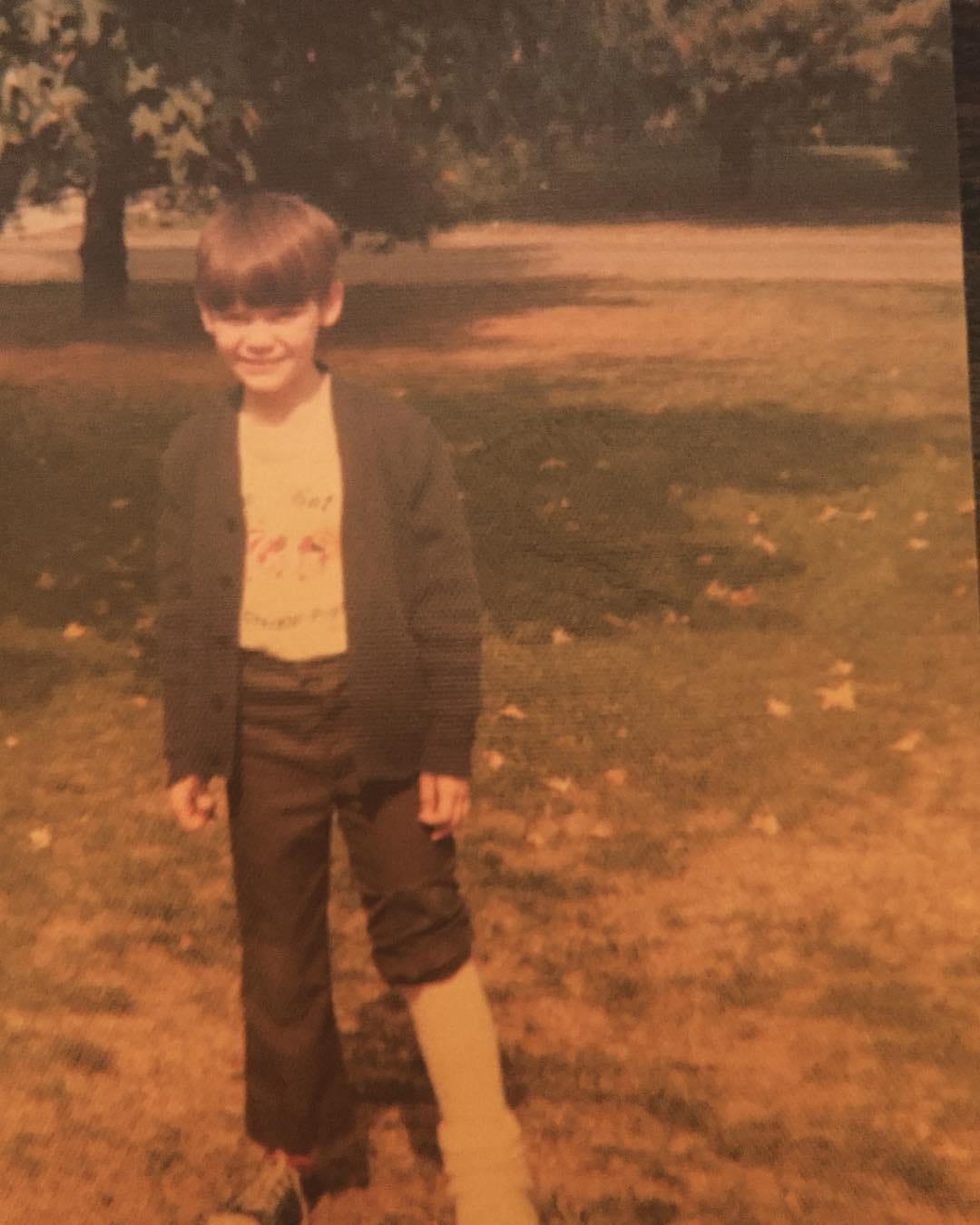
This is me, fifty years ago. A scrawny little kid with a broken leg and a Snap-Crackle-and-Pop t-shirt. I’m seven years old, and just beginning the second grade.
The broken leg was the result of a game of hide-and-go-seek that went awry. I thought I was in the clear, running away from some neighbor kids whose names I have long since forgotten, when I turned around to look for them. It certainly was a bad idea to do this, because I continued running until my parent’s light blue Volkswagen beetle got in the way. Ouch!
I was smiling for the picture above, but being put into a cast and ordered to stay away from running around until the fracture healed up was the worst thing that could have happened. There were no video games to keep us occupied in 1975, so we did what kids had always done before: we went outside and played. So now what was I supposed to do?
The kid in this picture had just been to his first baseball game in St. Louis at the end of July, and had not seen any baseball games on TV before. Baseball games on TV were a rarity in those days, with the exception being NBC’s Game of the Week on Saturday afternoons. But even that was something I was unaware of, because watching TV wasn’t my thing, except for the Saturday morning cartoons. Everybody watched those, after all.
But one afternoon in September of 1975, I stumbled upon a game being played in Wrigley Field in Chicago. I had only a vague idea that a city named Chicago existed, and I had no idea that they had a baseball team that played there (so imagine my surprise when I one day discovered they had two baseball teams!)
I didn’t take long for me to realize that Wrigley Field was a far different place from Busch Stadium in St. Louis. I was intrigued by baseball played in the shadow of nearby houses, without any lights or fake grass. It looked like they were playing in a big back yard, and that really appealed to me. My team allegiances were immediately changed from the Cardinals to the Cubs, and with it my first act of rebellion was committed.
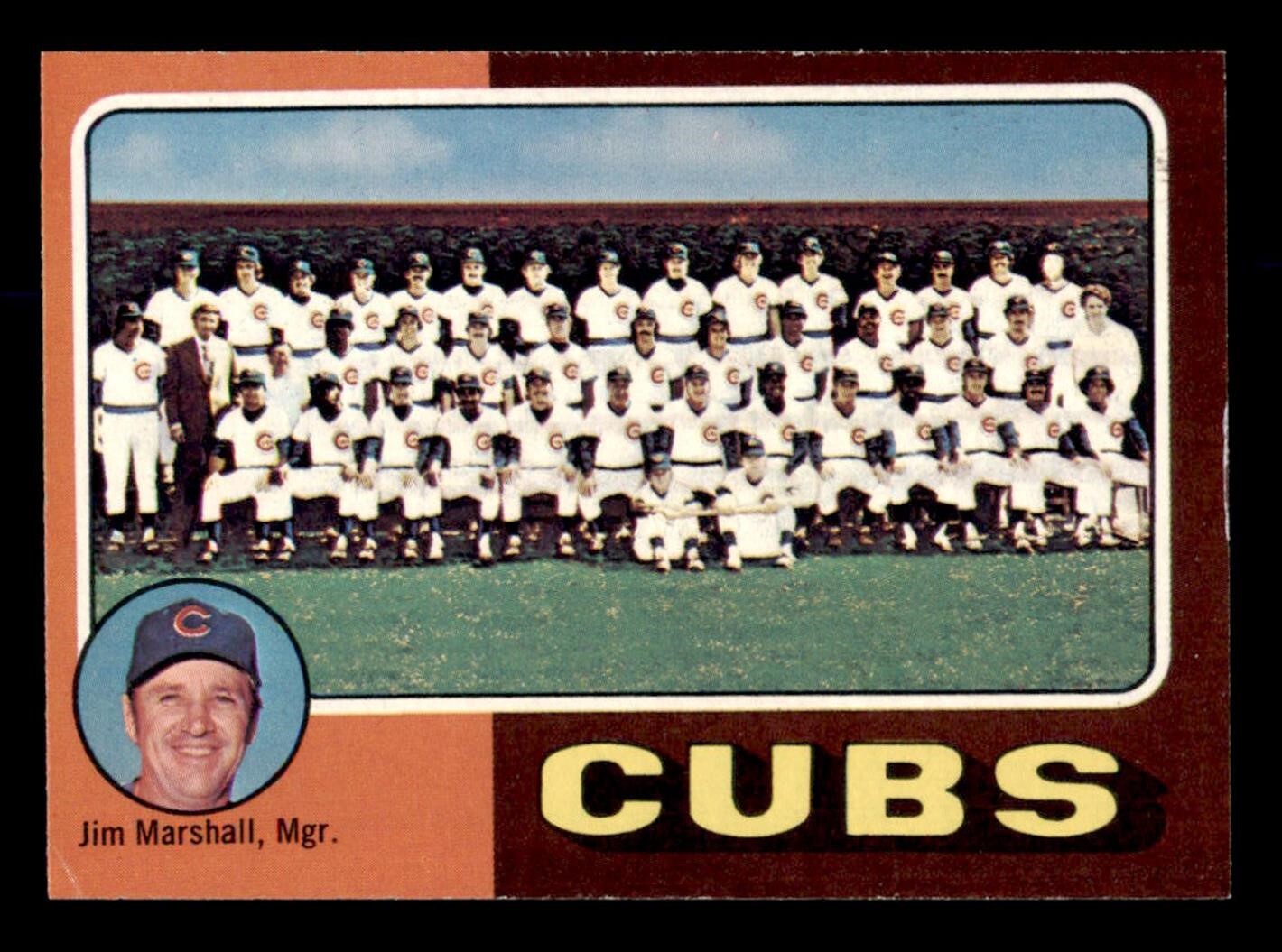
Today I learned that the Cubs’ manager on that day, an ex-player named Jim Marshall, passed away at the age of 94. On another Substack account I’ve been managing over the past two years, I’ve written about ballplayers from the 1970s (and of a more recent vintage, too) who have passed away in that time frame. I’ve eulogized Pete Rose and Fernando Valenzuela and, more recently, Ryne Sandberg. It’s been a catch-all of players who mattered to me, along with other topics of the day that interest me beyond baseball.
My objective with this new Substack account is to focus strictly on the 1975 Topps baseball card set, and the players who appear on them. In particular, there are 617 players who appeared on the cards, either as veteran players or rookies. I left out cards that indicated league leaders from the previous season, or MVPs from previous years, or managers who appeared on team checklist cards (although here is the late Jim Marshall, appearing on the Cubs team card from that year).
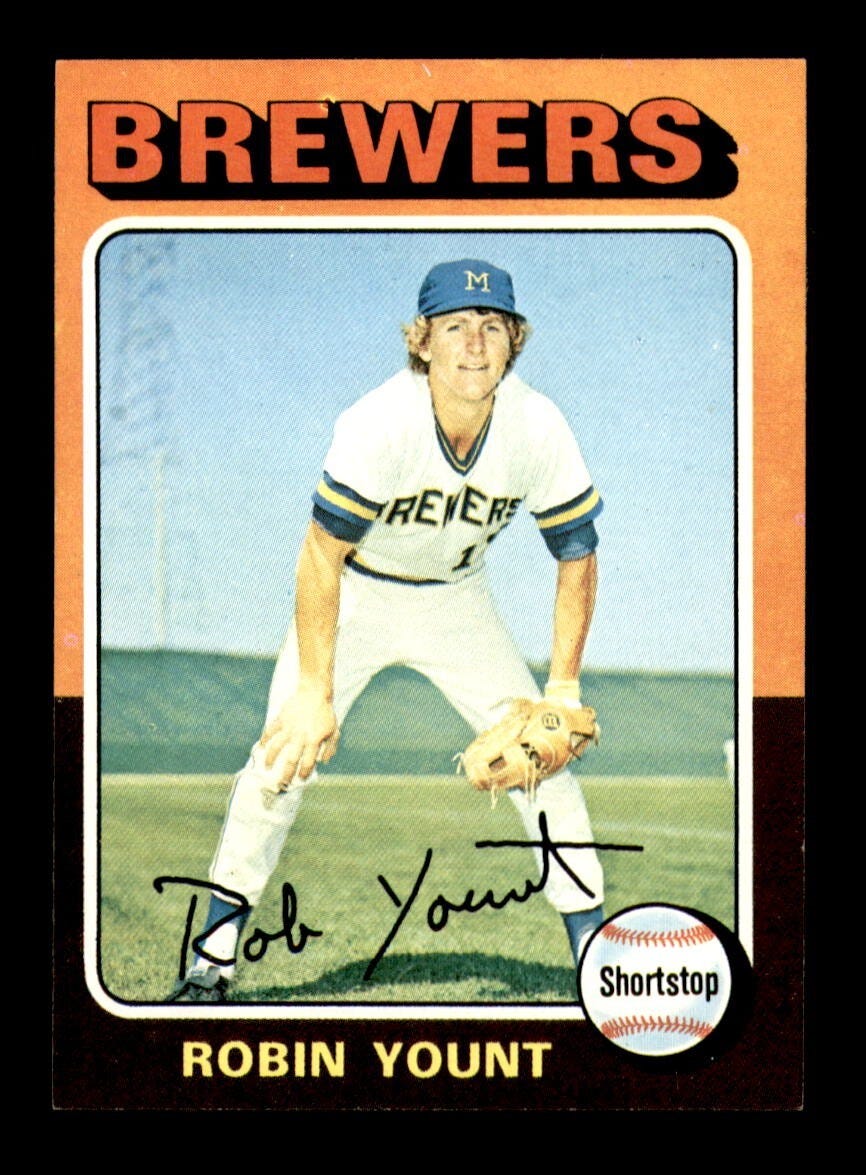
There are 205 players from the set who are no longer alive, and I have displayed all of them in a post here. That leaves a total of 412 players still living, with the youngest one, Robin Yount (shown below) turning 70 next week,
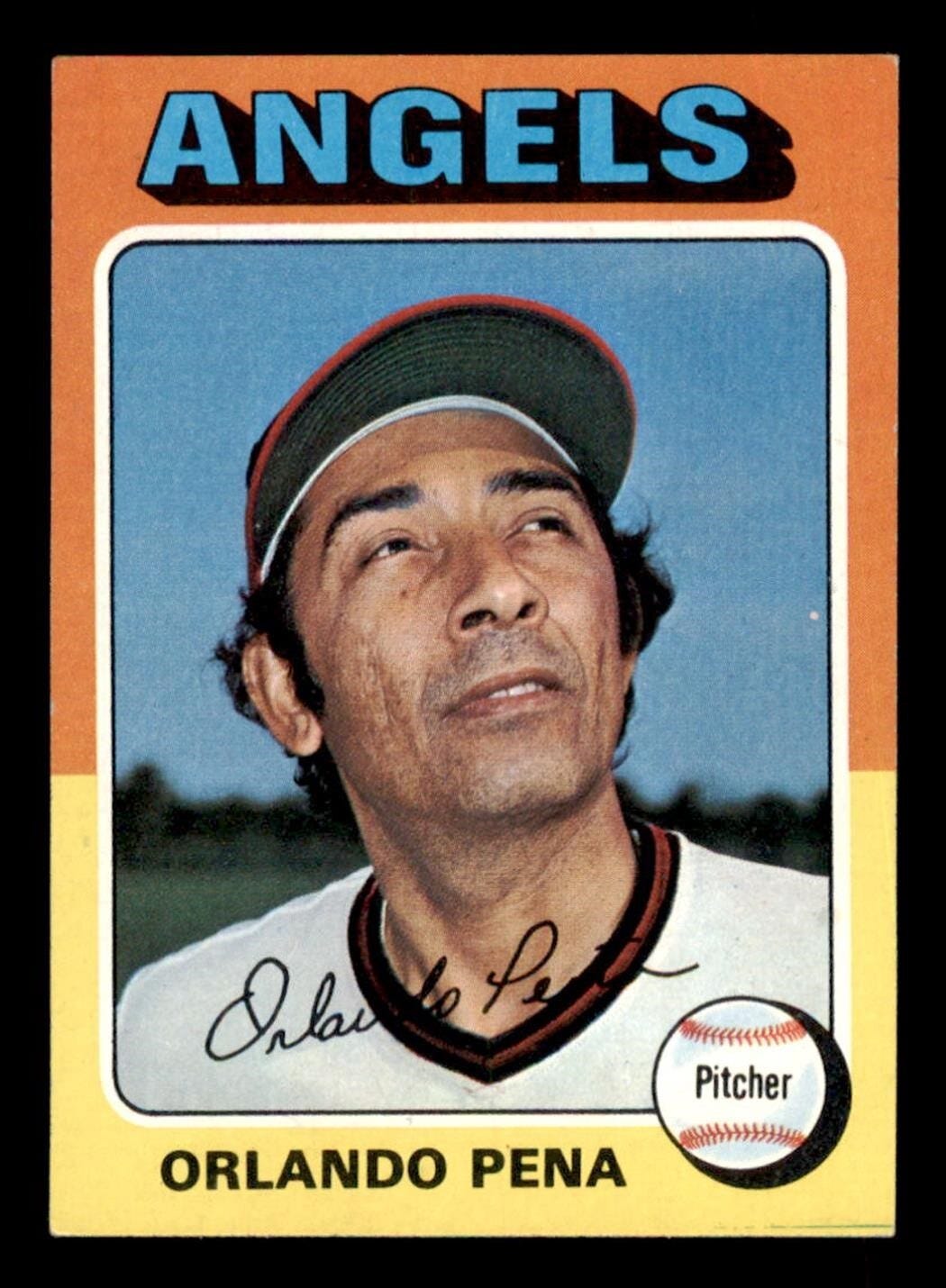
and the oldest, Orlando Pena (shown below) a few weeks short of his 92nd birthday.
So why am I doing this? Simple. I love the colors used in the 1975 set and, a half century later, I want to show off these cards one more time as the men who appeared on them take their final curtain calls. Most of them haven’t done so yet, but the next few years will see an average of 1-2 players a month doing exactly that, and I want to be in position for when this happens.
In the pre-internet world I grew up in, kids like me did what we could to find out about the things that were interesting to us. And these little bits of cardboard were not investment vehicles, either. There were no binders or penny sleeves, no numbered cards and no certified autographs. There were fake player autographs on every card, so that we could see what they looked like, but the idea that a player would ever sign a card that already had their fake autograph on it strikes me as sort of odd.
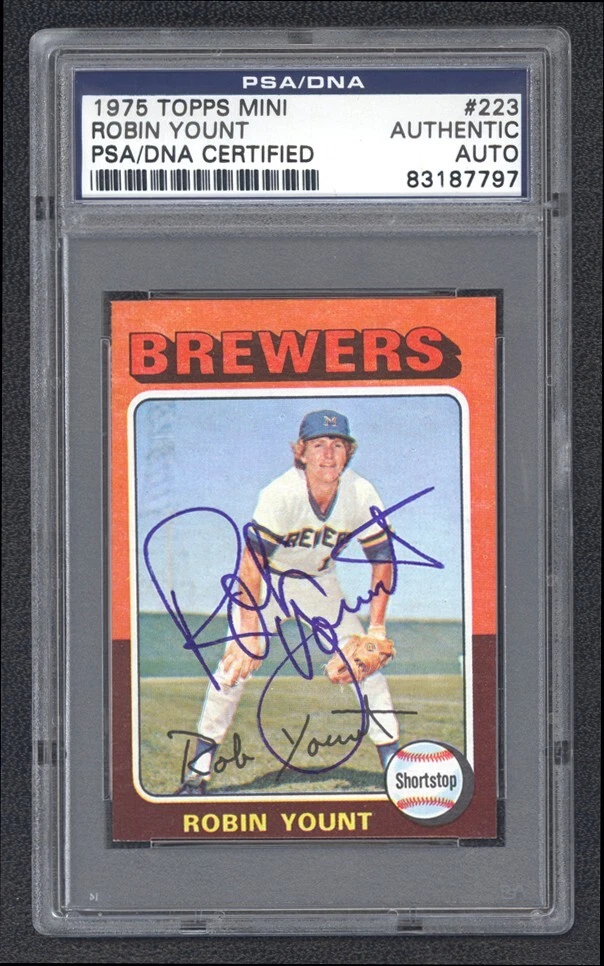
Baseball cards have since become part of The Hobby, which is something I’ve never really understood. But then, money has infiltrated baseball and other pro sports in a way that 1975 just didn’t see: The free agency salaries, the corporate sponsorships, the merchandising, and do not get me started on all of the gambling. Just don’t.
Essentially, there’s a part of me that realizes that while the past is gone, relics of it still remain if you know where to look for them, and old baseball cards will always fit that bill for me.
One final note: I probably have about half of the cards from this 1975 set in my possession and they’re all kept in a cardboard box, not in any sort of protective covering. Their condition isn’t really the issue for me, since creases and bent corners and gum stains are all proof that these things have lived the life they were once intended to have. Besides, it’s possible to get a copy of any card from the internet, whether I physically own them or not. I wouldn’t want this any other way.
More to come later.